Mijakovići
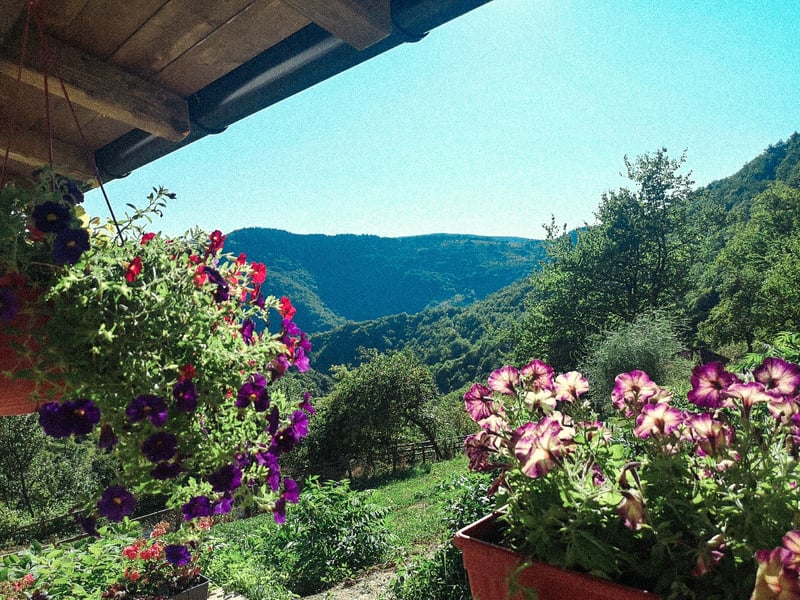
Mijakovići is a village of some fifty houses in the mountains above Vareš, ninety minutes from Sarajevo. The village has been recognised as one of the most beautiful in the country, largely because the traditional Bosnian architecture that has vanished elsewhere still stands here. The neighbours are used to artists coming and going. Conversations over the fence, coffee in someone’s yard.
Nine hundred metres from the house, on a ridge visible from the terrace, stand the ruins of Bobovac, capital of the medieval Bosnian kingdom and its last stronghold before the fall to the Ottoman Empire in 1463. Above the village rises Perun, named after the Slavic god of thunder. A hiking trail passes by the house and leads to the summit.
The name
The name comes from a hiking route along the Zvijezda mountain massif in the Vareš-Olovo region. The trail marker stands at the barn next to the house. In Yugoslavia, Zvjezdane Staze was the title of Star Trek, a series that envisioned a future without scarcity, war, or nationalism. That both meanings converge in this name is a coincidence that can be read as a symbol. The hiking route became the namesake of the residency.
Since 2024
The residency began in 2024, founded from personal conviction and private means. In two years, we have hosted artists from across Europe and the Western Balkans, launched a summer concert series and a solstice festival, built partnerships with institutions in the region and internationally, and established Fondacija Prostor as the legal and organisational framework. In 2026, new programme formats follow: literary weekends, an intensive media art residency, masterclasses, and a permanent sound installation. A great deal has already happened, more is underway, and we are only at the beginning.
The residency is self-financed. There is no public subsidy, no institutional backing, no endowment. The house was renovated from personal funds, the foundation established from the same source. Ethical principles determine who we accept funding from, and that limits the options deliberately.
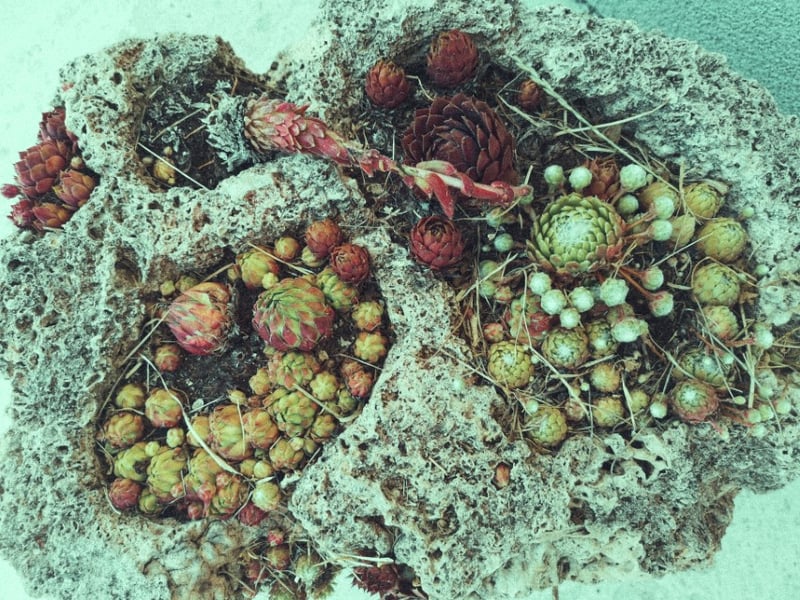
Three paths lead in, and each of them runs through application and selection: Boraviшte, the Artist in Residence programme, where the artist contributes toward the cost of a stay; a funded position through an open call; and collaboration, where terms are shaped together. No path pays for a residency. Each one helps to sustain a house that has no public subsidy behind it. The Zvjezdani Vrt project, where plant sponsorships support the programme, is one example.
The piano
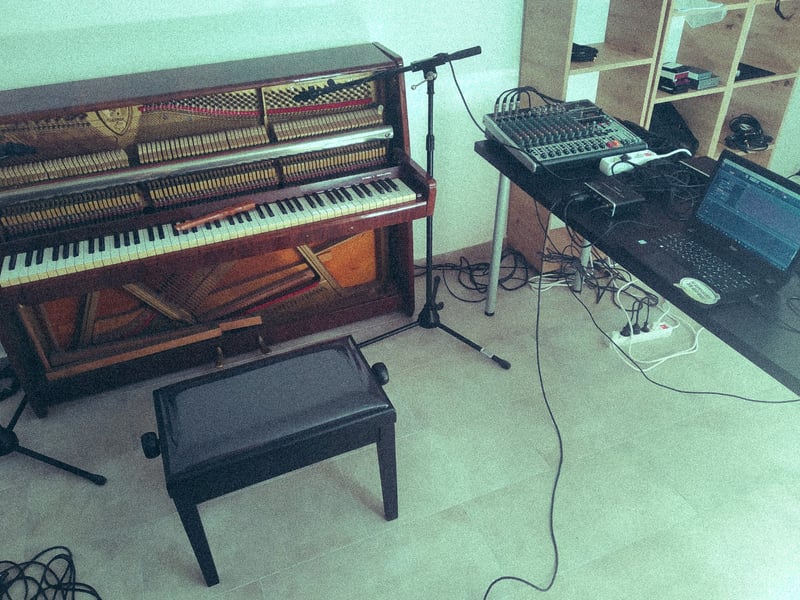
There is a Petrof upright in the house. It has not been tuned in decades. It will not be. Artists have recorded on it and composed for it since.
Načela
Sliding Scale
Each person pays according to their means. Those who contribute more strengthen the infrastructure and the continuity of the residency.
Samodoprinos
Part of all funds goes to the village, following a Yugoslav tradition of collective contribution to collective needs.
Zbor
The assembly. The community gathers, deliberates, decides.
Transparency
All finances are public.