Mijakovići & The Vareš Region
Bosnia and Herzegovina
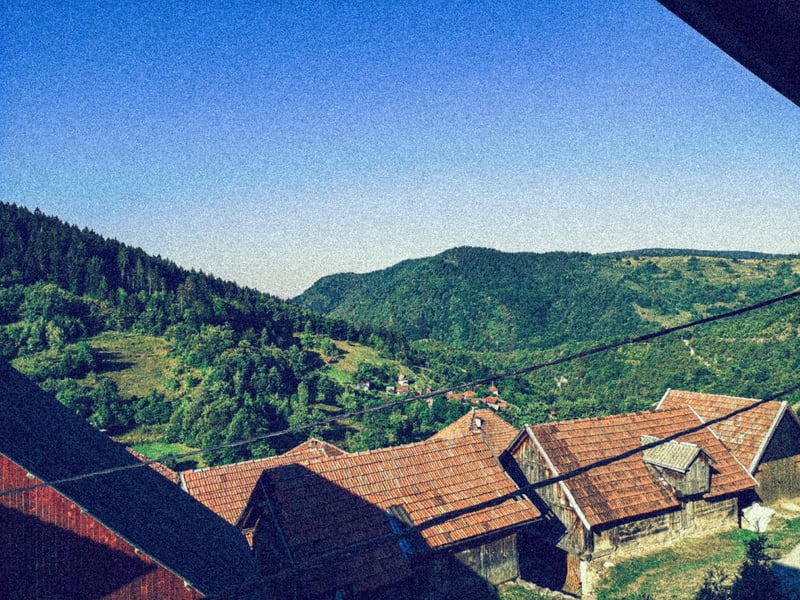
Mijakovići is a village in the municipality of Vareš, in Bosnia and Herzegovina. It sits at approximately 890 metres elevation on the slopes of Mount Perun, within the broader Zvijezda mountain range. Sarajevo is 75 kilometres to the south, roughly an hour and a half by car. The town of Vareš is 12 kilometres away, Kakanj 25 kilometres.
Mountains
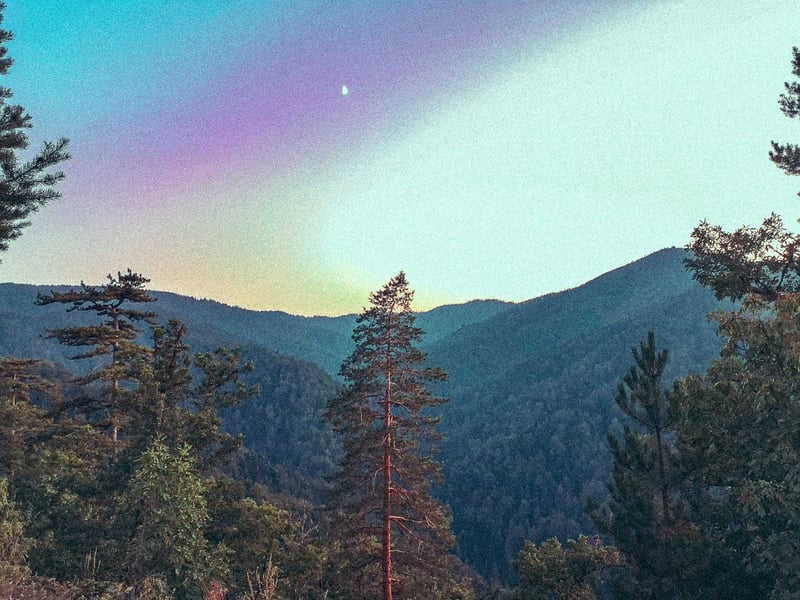
Mount Perun
The mountain directly above the village takes its name from Perun, the god of thunder and lightning, the supreme deity in the Slavic pantheon. Its highest peak, Karaosovina, reaches 1,472 metres and is the highest point in Zeničko-Dobojski Canton. The slopes are forested with beech and fir, opening into meadows at higher elevations. A mountain hut called Javorje sits at around 1,170 metres and serves as a base for hikers. Perunova Greda, at 1,280 metres, is a paragliding launch site. In summer, the trails are used for hiking and mountain biking. In winter, the upper slopes are suitable for ski touring and snowshoeing.
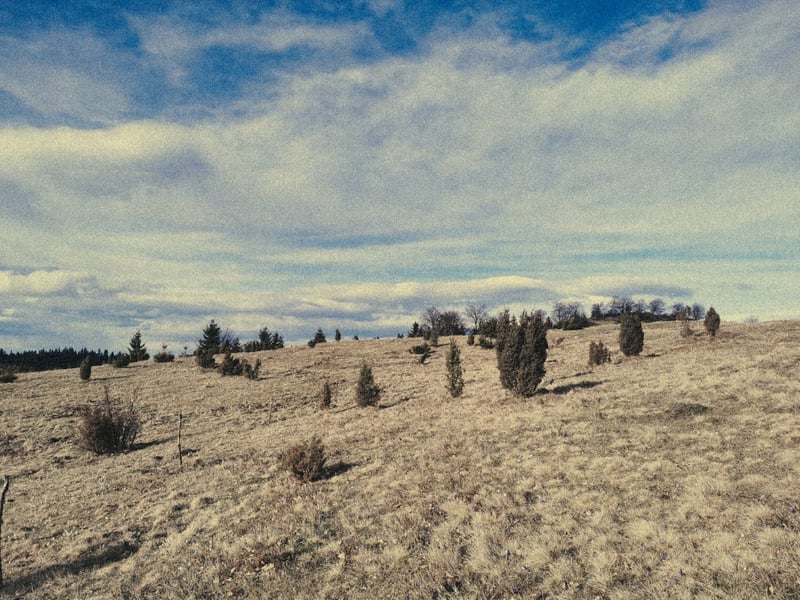
Zvijezda
The larger massif to the north. The name means “star.” The highest peak, Zvijezda or Krš, reaches 1,349 metres. Zvijezda is known for its old-growth forests, some trees over two hundred years old, and for the abundant water sources that feed streams throughout the region.
The mountain hosts several protected peatlands: Šimin Potok, Krčevačka Bara, Karin Brdo, and Tentina Bara (also called Đilda), which is the largest, at around 1,060 metres elevation. These rare bog ecosystems contain endemic flora including Bogbean, and have been protected as a special reserve since the 1950s.
Across Zvijezda’s slopes lie approximately sixty medieval stećak tombstones at Ravne, Zubeta, Ligatići, Mižnovići, Oćevija, and the Vidak locality. The Vidak and Ljubišići sites also preserve the remains of Ragusan (Dubrovnik) trading settlements, where merchants lived from the fourteenth century until the Ottoman period.
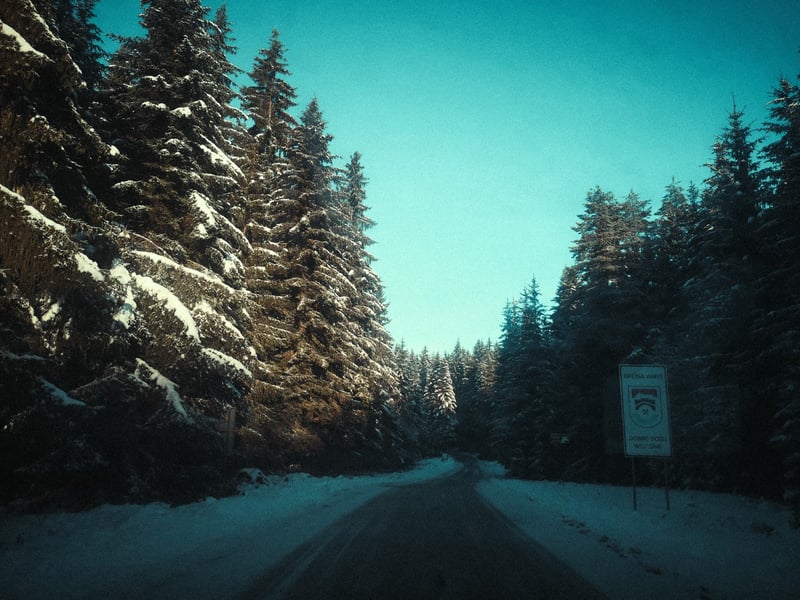
Budoželjska Planina
A neighbouring mountain to the northwest. Its highest peak, Budoželj, reaches 1,254 metres.
Via Dinarica
The Via Dinarica mega-trail passes through this region. The Green Trail connects Bobovac, Kraljeva Sutjeska, and the Perun range, continuing toward Vareš and beyond. A local hiking route called “Vareška transverzala, Zvjezdane staze” covers twenty waypoints across the area, including Karasovina, Bobovac, Budoželj, and the traditional water-powered forges in Oćevija.
Rivers & Water
The Stavnja is the main river in the Vareš valley. The Bukovica, a clear mountain stream near Kraljeva Sutjeska, is known for its trout and is mentioned in Queen Katarina’s legendary farewell to Bosnia. The Trstionica joins the Bukovica near the Franciscan monastery. The Oćevija, a small river flowing through the village of the same name, powers the traditional forges there.
Springs are abundant throughout the mountains. Villages draw drinking water directly from mountain sources. Local legend holds that fairies guard the purest springs: oral traditions about these guardians survive to this day.
“Wheat from Liješnica, fish from the Bukovica, water from Radakovica — for these three exist nowhere else in the world.”
— Queen Katarina’s farewell, 1463
Caves & Geology
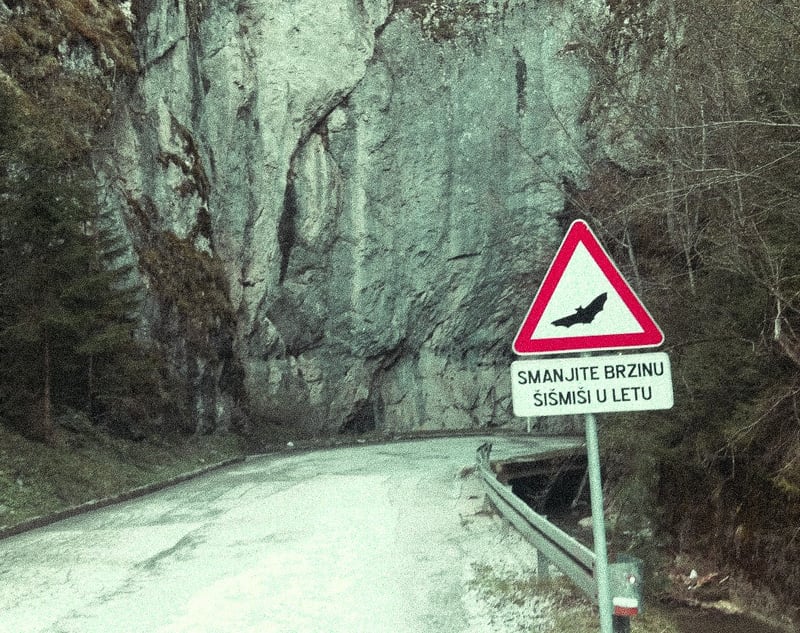
Ponikva Cave, on the road between Vareš and Zvijezda, is a remarkable geological and archaeological site. A road now passes through its main tunnel, one of only a handful of caves in the world with two-way vehicle traffic. The river Ponikva flows through the cave’s active channels.
Inside, archaeologists have discovered Upper Paleolithic stone tools, evidence of human habitation during the last Ice Age. The cave is also a protected habitat for rare bat species, including the Greater Mouse-eared Bat and the Western Barbastelle, whose presence here was first documented by Sarajevo speleologists.
The Stijene quarry, nearby on the northern edge of Vareš, has also attracted interest from speleological researchers, though it lies outside the protected mountain zone.
Historical Sites
Bobovac
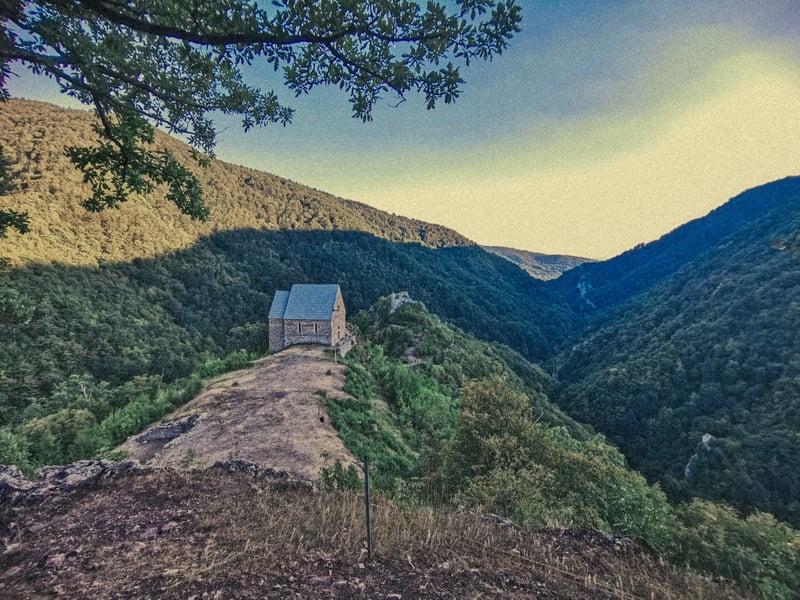
The medieval royal capital of the Bosnian Kingdom stands directly adjacent to Mijakovići, a short walk from the village. Perched on a ridge at 727 metres, Bobovac served as the seat of Bosnian kings in the 14th and 15th centuries. Three kings and one queen are buried in the royal mausoleum. The fortress fell to the Ottomans in 1463.
Today, the ruins include stone walls, watchtower remnants, a well, and a reconstructed chapel at the mausoleum site. Access is free. A walking trail also leads from Kraljeva Sutjeska, approximately 5 kilometres through the Bukovica canyon, about an hour and a half on foot.
Kraljeva Sutjeska
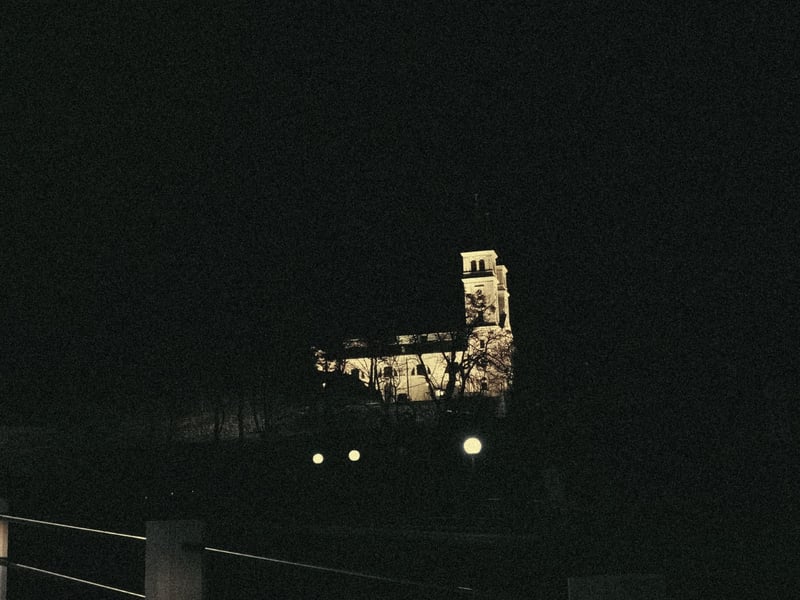
Twelve kilometres from Mijakovići, Kraljeva Sutjeska was the site of the Bosnian royal court before the Ottoman conquest. The Franciscan Monastery of St. John the Baptist, founded in the 14th century, houses a museum with the oldest parish records in Bosnia, dating to 1641, and 31 of the country’s 53 incunabula. The Sultan Mehmed Fatih Mosque, dating to 1463, is considered the oldest mosque in Bosnia and Herzegovina. The Dusper House, from the 18th century, is the oldest surviving traditional house in central Bosnia.
Stećci
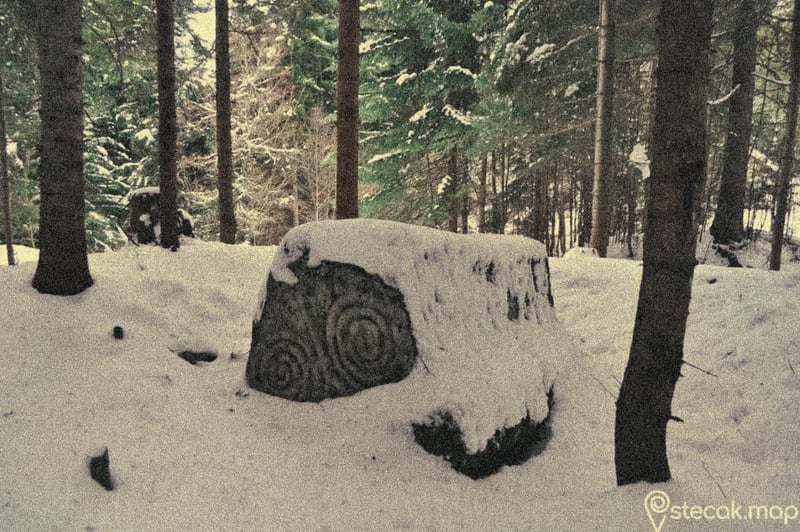
Medieval tombstones unique to the Western Balkans, dating from the 12th to 16th centuries. Over 60,000 exist in Bosnia and Herzegovina. Several necropolises are located in the Vareš-Kakanj area. Some are UNESCO World Heritage sites. Most lie unmarked in forests and fields.
Traditional Crafts
Oćevija: Water-Powered Forges
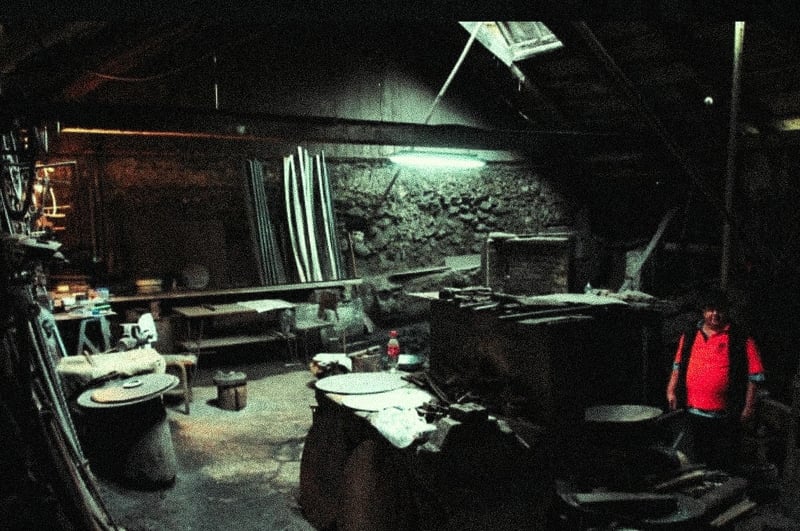
The village of Oćevija, on Zvijezda mountain between Vareš and Olovo, is home to three traditional water-powered forges: Jozeljića Majdan, Gogića Majdan, and Vijačkića Majdan. These forges, which have operated for centuries, are considered a rarity worldwide: few places on earth still use pre-industrial water-powered hammering methods.
A 50-kilogram hammer, mounted on a wooden beam, is lifted by a water wheel and dropped onto the anvil. The faster the water, the faster the rhythm. The forges produce agricultural tools, baking pans, and sačevi. The site was designated a National Monument of Bosnia and Herzegovina in 2011.
The village sits at around 850 metres in a quiet valley, reached via a high plateau at 1,400 metres. A waterfall on the river Oćevija is a protected natural monument, and an Ottoman-era mill stands beside one of the forges.
Handcrafts in Mijakovići
Local women maintain traditional textile crafts: embroidery using techniques called “pod prst” and “na bod,” weaving on wooden looms known as đerđef, knitting, and crochet. Basket-weaving from hazel wood produces sepete and krošnje for fruit and vegetables. These are living traditions, not museum pieces.
Nature & Wildlife
The forests are predominantly beech and fir at lower elevations, with spruce and pine higher up. Parts of Zvijezda are old-growth, with trees over two hundred years old.
Deer, wild boar, fox, and hare are common. Wolves and brown bears are present throughout the area. Bears occasionally come into the village, though rarely. The forests host populations of boreal owl and Ural owl, both subjects of conservation programmes including nest box installations.
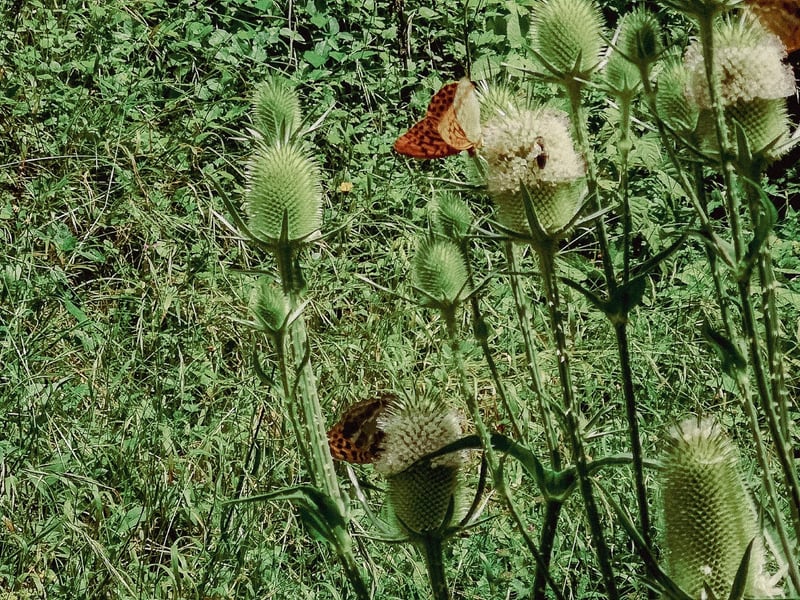
Wild blueberries and strawberries grow in summer. Medicinal herbs include thyme, yarrow, and St. John’s wort. Wild orchids appear in spring. The Zvijezda peatlands contain endemic plant species found nowhere else.
The Village
Mijakovići is a village with around two hundred residents in the local community. It is a working village: gardens, bees, livestock, plum orchards for rakija. There is no shop or café. A bus runs once daily to Vareš and back. The nearest supplies are in Vareš, which has basic groceries, a pharmacy, and a Saturday market. Kakanj has a larger selection.
Climate
| Spring | April to May. Variable weather, rain common, wildflowers, streams at full flow. |
|---|---|
| Summer | June to August. Warm days reaching 25–30°C, cool nights, afternoon thunderstorms, long daylight hours. |
| Autumn | September to November. Foliage, morning fog, harvest season, first frosts by November. |
| Winter | December to March. Snow cover typical, temperatures down to −10°C or lower, quiet, access sometimes limited. |