Official launch: 20 June 2026 at 16:00
Guided inaugural walk during DVONOĆJE. Audio available from that date.
Edition #001 · Founding Works
∿ Zvjezdane·Zvuчne·Staze
Four compositions created by the founding residents during their three-month stay in 2024, now part of the permanent Sound Walk installation.
∿

Board 1
“A Sketch of Mijakovići”
Roman Stolyar
Russia
My stay in the AiR Zvjezdane staze residency in Mijakovići could be described by just one word – wonderful. Everything around was wonderful. Birds singing in the early morning. Sounds of sheep and cows passing by. A milky color of a fog covering distant mountains. Narrow paths crossing fields full of apples and plum trees. Taste of Bosnian coffee at the neighbors’ living room. Beautiful songs sung by locals that I could hear out of my window. Everything was a wonder for me.
But the most wonderful thing was the people I was surrounded by – simple, open-hearted, generous, with a beautiful sense of humor and always ready to help in any aspect of our stay.
Bosnia is a special country for me, a country which I feel a connection with. Bosnia can be compared with a beautiful woman with sadness in her soul – she never tells a reason of this sadness to a stranger, but once you read her eyes you have a chance to understand her struggle, her courage, as well as a price she pays for a smile on her lips in every moment of her existence.
It’s extremely difficult to tell all these things in 5-minute sound miniature. But at least I have tried. “A Sketch of Mijakovići” is a small offering to the AiR Zvjezdane staze, to people of Mijakovići and to the whole Bosnia – a beautiful woman with sadness deep in her soul.
— Roman Stolyar, October 2024
A Sketch of Mijakovići
Available from 20 June 2026
Board 2
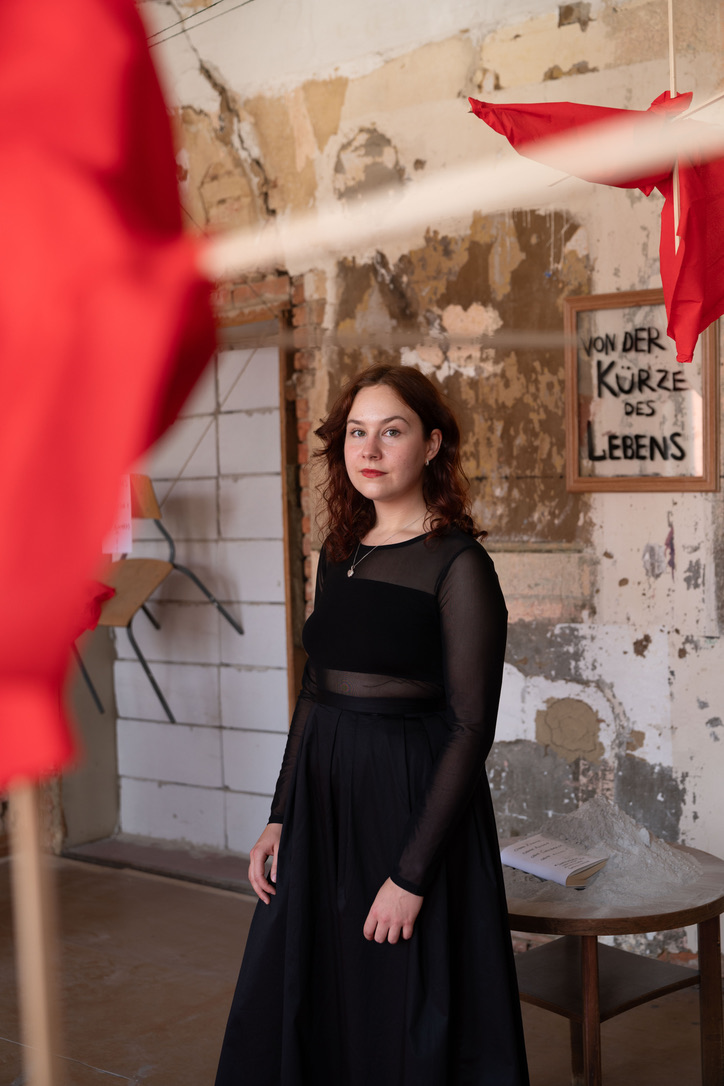
“Boje Trepetljike”
Colours of the Aspen
Marta Kowalczuk
Poland
‘Boje Trepetljike’ is a piece for guitar and accordion that I composed during the AiR Zvjezdane Staze residency in Mijakovići in the summer of 2024. The title means ‘The Colours of Aspen’ in Bosnian.
The piece unfolds a multi-layered colour spectrum that gradually fades into shades of grey as the composition progresses. The guitar tuning is based on the makam nikriz scale, while the accordion’s varied vibrations are meant to evoke the singing of women, drawing inspiration from the song “Trepetljika Trepetala”.
With this composition, I wanted to capture the contrasts that I encountered in Bosnia and Herzegovina. The music captures the landscapes, history, and people who influenced me during this period.
Boje Trepetljike
Available from 20 June 2026
Board 3
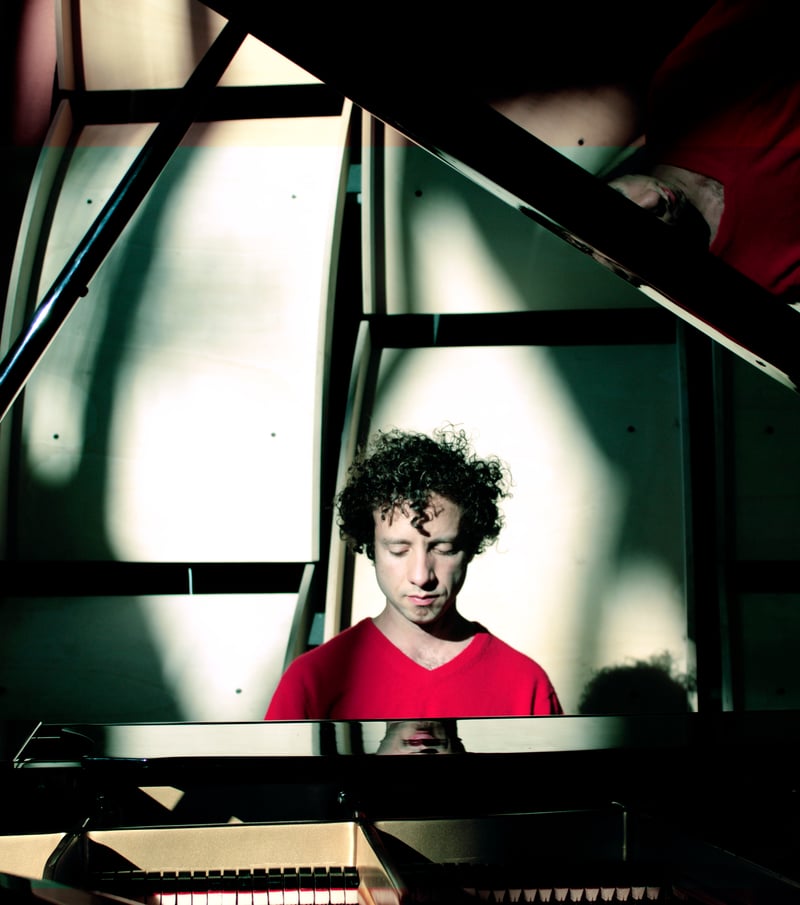
“The Infinite Stream of Mijakovići”
Manuel Pessoa de Lima
Brazil
Specially commissioned for the Zvjezdane Staze Residency, The Infinite Stream is an innovative sound installation that merges the natural environment with the unpredictability of musical fragments.
The work features a field recording captured at one of the many fountains in the picturesque surroundings of Mijakovići. The gentle flow of water forms the foundation of the piece, creating a continuous and immersive soundscape that reflects the natural rhythm of the area.
Overlaying this recording, 127 unique piano fragments play in random succession, creating a constantly evolving auditory experience. Each piano fragment varies in tone, rhythm, and texture, offering a sense of unpredictability that ensures no two moments are ever the same. The fragments are interpolated seamlessly, creating a dynamic interplay between the organic sounds of water and the crafted intricacies of the piano.
Designed to play without a defined endpoint, The Infinite Stream embodies a sense of infinity and ceaseless motion. The perpetual nature of the piece invites listeners to engage with the piece at any moment and experience its fluid transformation over time. This randomness not only encourages repeated listening but also fosters a meditative state, as the unpredictable yet cohesive flow of music and nature coalesce.
By bringing together the ambient sounds of Mijakovići and the structured spontaneity of the piano, the work explores the boundaries between human creation and the natural world, while inviting a deeper appreciation of the unpredictable beauty inherent in both. The Infinite Stream stands as a tribute to the ever-changing landscapes of sound, place, and time.
The Infinite Stream of Mijakovići
Available from 20 June 2026
Board 4
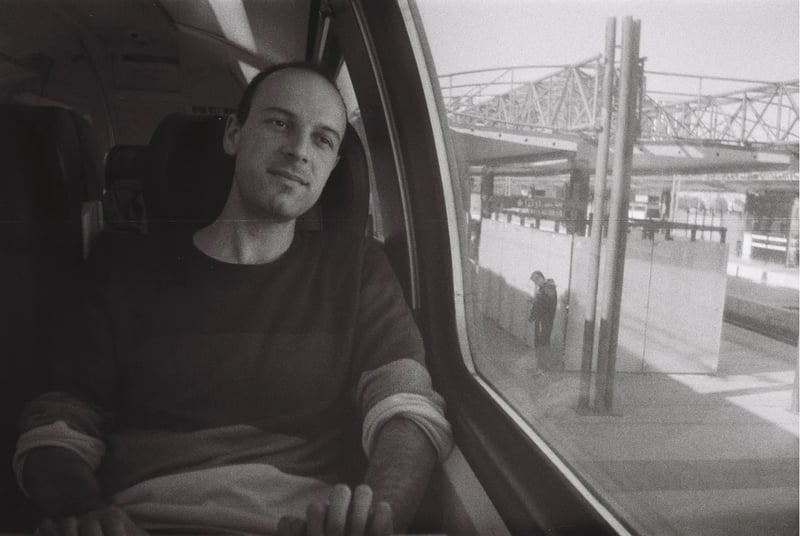
“What Did I Do Wrong?”
Damjan Jovičin
Serbia
“What did I do wrong?” is a piece that deals with the mere intention of sacrificing one’s own peace and stability and entering the questioning, healing process. The inner mind, as it could be called in some ancient tradition, is speaking for itself when the body is calm and when there are no actions to be taken.
The healing process requires cleaning of the mind, and distancing from the thought of what could be the mind’s great danger, running through the shimmering lights to make abyss one horizontal stop, but emancipated from gravity.
The piece doesn’t have a sense of linearity, since its timeflow is intersected with energetic beams that permeate its grammar. Energetic beams of nature that permeate the state of inability to speak nor to move is the phenomena that builds around the piece.
The question, possibly posed many times, should immerse the listener into this thought and insist on the link between the sound and the question. As an author of many questions, the question-composer continues to build the character from its initial sparkle, a thought, and the music appears.
The music should prepare ground for what could be greater beam, a stable line and a structure which could come close to Vijaya Stambha in India or similar. The regret which is abundant sticks with the light beam in order to diminish its bitterness, and emerges in a continuous flow of the piece.
The focus on inner psychological events is what the author is researching in his work so far, which got a great emphasis during his stay in Mijakovići.
What Did I Do Wrong?
Available from 20 June 2026